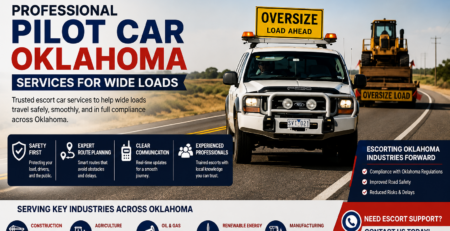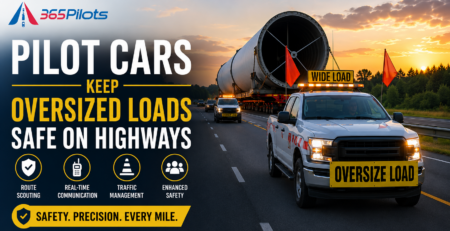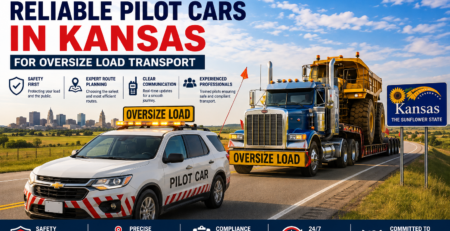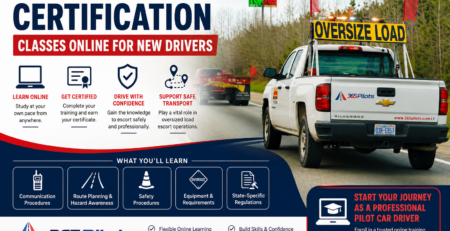
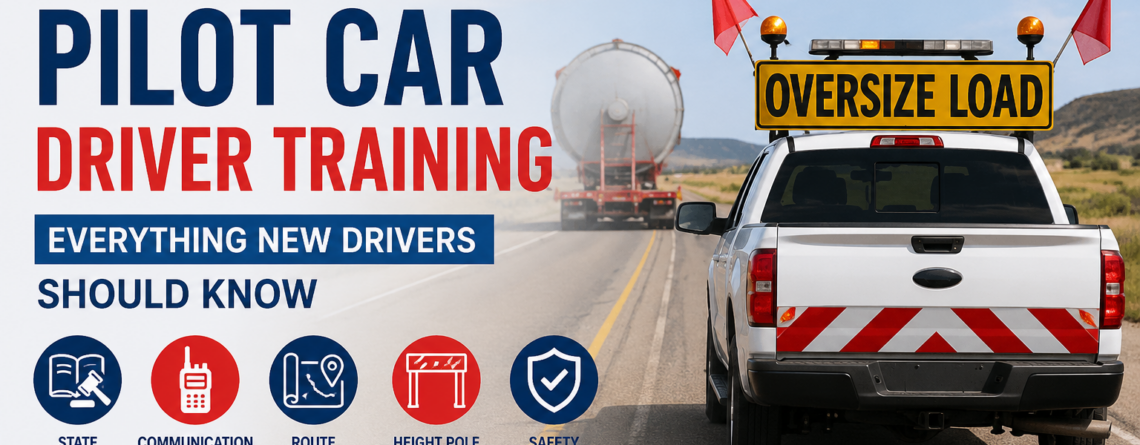
Pilot car driver training teaches new drivers how to legally and safely escort oversized loads on public highways. Training typically covers state-specific certification requirements, communication protocols with truck drivers, height-pole operation, route surveying, and safety signaling.
Most states require a certification course plus a written exam, and some also require a CDL or specific insurance minimums. Training can take anywhere from a single day to a few weeks, depending on the state and the type of escort work involved.
Becoming a pilot car driver is one of those careers people rarely plan for; most fall into it after hearing about it from a friend, a trucking contact, or a job posting that mentions “escort vehicle operator” without much explanation.
But once you understand what the job actually involves, it starts to make a lot of sense why demand for trained, certified pilot car drivers keeps growing every year. Oversized loads aren’t going anywhere.
Wind turbine blades, modular homes, industrial equipment, and military transports all of it needs safe passage through cities, construction zones, and rural highways. That’s where a well-trained pilot car driver comes in.
If you’re new to this field, here’s a grounded, practical breakdown of what training actually looks like, what states expect from you, and what skills separate a good pilot car driver from a great one.
Why Training Matters More Than People Expect
A lot of new drivers assume the job is just “driving in front of or behind a truck.” In reality, you’re responsible for identifying hazards the truck driver can’t see, low bridges, narrow lanes, tight curves, overhead wires, and communicating that information clearly and quickly enough for the truck to react.
One missed hazard can mean a blocked highway, a damaged structure, or worse. That’s why states regulate this work, and why proper training isn’t optional if you want a long career in it.
What Pilot Car Driver Training Actually Covers
Training programs vary by state, but most cover the same core skill areas:
| Training Area | What You Learn |
|---|---|
| State & federal regulations | Escort requirements, permit rules, load size thresholds |
| Communication protocols | Two-way radio use, signaling, coordinating with law enforcement |
| Route surveying | Identifying low clearances, weight-restricted roads, tight turns |
| Height pole operation | Measuring and flagging overhead obstructions |
| Flagging & traffic control | Managing traffic stops, lane closures, intersections |
| Safety equipment | Sign placement, flags, lights, and required vehicle markings |
| Emergency procedures | Handling breakdowns, accidents, or blocked routes |
Some states also require a basic understanding of load dimensions and weight classifications, since pilot cars often help verify that a load doesn’t exceed permitted limits along its route.
Certification Requirements by State (General Overview)
Certification rules differ significantly across the U.S., which is part of why many pilot car drivers choose to get certified in multiple states. Here’s a general look at what’s commonly required:
| Requirement | Common Standard |
|---|---|
| Minimum age | 18–21 years old |
| Driving record | Clean record, no major violations in past 3 years |
| Certification course | 1–3 day state-approved course |
| Written exam | Pass rate typically 80%+ required |
| Insurance minimum | $500,000–$1,000,000 liability, varies by state |
| Vehicle requirements | Signage, flags, lights, height pole (for lead cars) |
| Renewal period | Every 1–3 years depending on state |
A handful of states — including Texas, Florida, and Pennsylvania — have their own certification systems, while others accept out-of-state certifications with minimal extra steps. If you plan to work in multiple regions, it’s worth checking reciprocity rules before assuming your certification transfers.
Skills That Separate Good Drivers From Great Ones
Certification gets you in the door, but the drivers who build long careers in this field tend to share a few habits:
- They stay ahead of the load, not just in front of it. Great pilot car drivers are already scanning the next mile for hazards before the truck even reaches the current one.
- They communicate constantly, not just when something’s wrong. Truck drivers rely on a steady stream of updates, not silence punctuated by emergency calls.
- They know their equipment cold. Height poles, signage, and lighting need to be checked and adjusted without hesitation.
- They stay calm under pressure. Traffic backups, confused motorists, and tight maneuvers are part of the job — steady nerves matter as much as technical skill.
- They understand the whole route, not just their segment. Knowing what’s coming — construction zones, weigh stations, weather changes — helps prevent last-minute surprises.
A Realistic Look at Day-to-Day Work
New drivers are often surprised by how much planning happens before a load even leaves the yard. A typical assignment might include:
- Reviewing the load’s dimensions, permit, and planned route
- Pre-driving the route (for lead cars) to check clearances and confirm signage needs
- Coordinating pickup time and communication frequency with the trucking company
- Escorting the load — either leading, trailing, or both, depending on load size
- Documenting any route issues or delays for the client and the state
Hours can be long, and schedules often shift with little notice, but many drivers find the variety and independence appealing compared to more repetitive driving jobs.
How Long Does Training Take?
| Path | Typical Duration |
|---|---|
| Basic single-state certification | 1–3 days |
| Multi-state certification | 1–3 weeks (staggered) |
| CDL + escort certification (for oversized/overweight loads requiring CDL) | 4–8 weeks |
| On-the-job mentorship period | 30–90 days |
Most new drivers spend their first few months paired with or mentored by an experienced escort driver before taking on solo assignments, especially for complex loads like wind turbine components or multi-piece industrial shipments.
Why Companies Prefer Certified, Trained Drivers
For trucking companies and logistics coordinators, hiring a trained pilot car driver isn’t just a compliance checkbox; it directly affects how smoothly a load moves. A well-trained driver reduces delays, avoids permit violations, and lowers the risk of costly incidents.
This is part of why services like 365 Pilots prioritize working with drivers who have verified training and a strong track record, rather than relying on whoever’s available.
When you’re coordinating a load worth hundreds of thousands of dollars, the pilot car driver isn’t a formality; they’re a critical part of the safety chain.
If you’re a company looking for reliable, trained escort drivers for an upcoming oversized load, working with a coordinated pilot car service ensures you’re getting drivers who meet state requirements and understand the specific demands of your route.
Final Thoughts
Pilot car driving isn’t just about following a truck down the highway, it’s a genuine safety profession that requires training, sharp attention to detail, and a real understanding of how oversized loads move through the world.
For new drivers, investing time in proper certification pays off quickly, both in job opportunities and in the confidence that comes with knowing the road ahead.
And for companies coordinating oversized freight, working with trained, certified escort drivers isn’t optional — it’s the difference between a load that moves smoothly and one that runs into costly, avoidable problems. Contact us today to discuss your transportation needs and find the right solution for your route.
FAQs
Do I need a CDL to become a pilot car driver?
Not usually. Most states only require a CDL if you’re driving the escort vehicle for overweight loads that require specific classifications, or if your state mandates it for high-pilot-car escort roles. A standard driver’s license is sufficient in most cases.
How much does pilot car certification cost?
Costs vary by state but typically range from $100–$400 for the course and exam, not including required insurance or vehicle equipment.
Can I work in multiple states with one certification?
Some states have reciprocity agreements, but many require separate certification. It’s best to confirm directly with each state’s DOT before assuming your license transfers.
What’s the difference between a lead car and a chase car?
A lead car drives ahead of the load to identify hazards and clear the route, while a chase car (or trail car) follows behind to manage traffic and alert the load driver to rear hazards.
Is pilot car driving a good career for someone new to trucking-adjacent work?
Yes — many successful pilot car drivers come from outside the trucking industry entirely. What matters most is attention to detail, comfort with independent work, and a willingness to learn state-specific regulations.