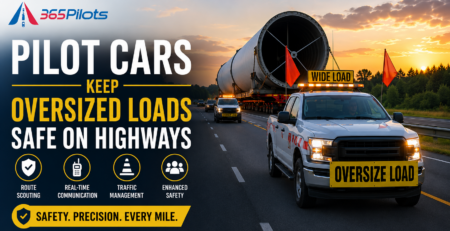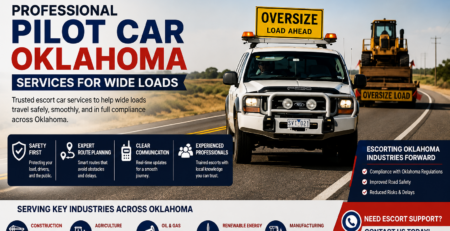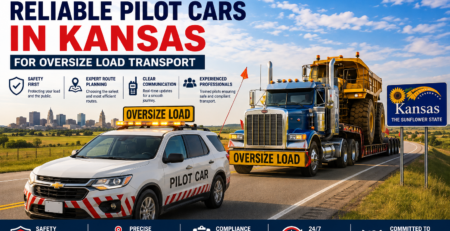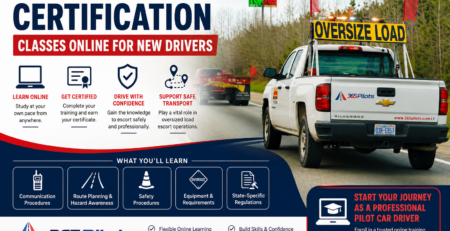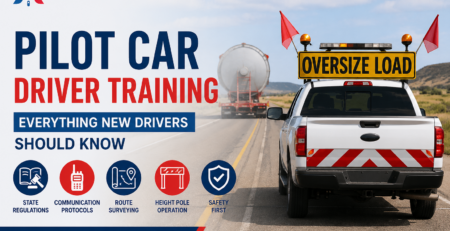
Oversized load transportation requires strict safety procedures, experienced coordination, and proper certification. Drivers working in escort operations must understand state regulations before transporting oversized freight across highways and restricted routes. This is especially important in Texas, where heavy haul transportation plays a major role in construction, energy, and industrial sectors.
Understanding Texas pilot car certification requirements helps drivers stay compliant while supporting safer oversized transportation operations. Escort vehicle operators are responsible for traffic awareness, communication, and route coordination during oversized load movement.
Companies such as 365 Pilots often work with trained escort operators who understand Texas regulations and safety standards. Drivers who meet certification requirements are better prepared to manage transport risks and support compliance during heavy haul operations.
What Is Texas Pilot Car Certification
Texas pilot car certification refers to the training and qualification process required for escort vehicle operators assisting oversized load transportation. Certification programs help drivers understand safety procedures, communication systems, route planning, and state transport regulations.
Escort vehicle operators guide oversized loads through difficult traffic conditions while helping maintain public road safety. Certification ensures operators are prepared to manage transportation challenges and respond to hazards during transport operations.
Why Certification Matters
Certification requirements help standardize safety procedures across the oversized transportation industry. Qualified operators are better equipped to support drivers, identify hazards, and manage traffic coordination during oversized freight movement.
Proper certification also helps reduce operational risks for transport providers and improves compliance with state regulations.
Who Needs Pilot Car Certification in Texas
Drivers operating escort vehicles for oversized loads may need certification depending on the type of transport operation and the states involved in the route.
Texas transportation regulations focus heavily on safety awareness and operational preparedness. Escort vehicle operators working with over width, over height, or over weight loads should understand certification standards before beginning transport operations.
Common Industries Using Escort Services
Oversized transportation support is used across several industries in Texas. These industries rely on trained operators to improve transport coordination and safety compliance during freight movement.
- Construction equipment transport
- Oil and gas operations
- Wind energy transportation
- Agricultural machinery hauling
- Industrial equipment shipping
- Infrastructure development projects
Basic Eligibility Requirements for Texas Pilot Car Operators
Drivers interested in obtaining pilot car certification in Texas qualifications must meet several basic requirements before working in escort operations.
Minimum Driver Requirements
Escort vehicle operators are generally expected to meet the following conditions:
| Requirement | Description |
| Valid driver’s license | Current state-issued license |
| Clean driving history | Safe driving record |
| Vehicle insurance | Proof of insurance coverage |
| Communication ability | Radio coordination skills |
| Safety awareness | Knowledge of escort procedures |
Meeting these qualifications helps ensure operators can safely manage escort responsibilities during oversized transport operations.
Importance of Safe Driving Records
Safe driving history is an important part of escort vehicle qualification. Operators regularly travel long distances while coordinating with truck drivers and monitoring surrounding traffic conditions.
A strong driving record demonstrates awareness, responsibility, and defensive driving ability.
Training Requirements for Texas Pilot Car Certification
Training programs are designed to help escort operators understand oversized transportation procedures and compliance standards.
Topics Covered During Certification Training
Professional training programs typically include instruction on transportation safety and escort coordination procedures. Drivers learn how to manage oversized load operations while maintaining communication and traffic awareness throughout the transport process.
Training programs commonly cover:
- Traffic control procedures
- Escort vehicle positioning
- Route planning basics
- Oversized load regulations
- Communication systems
- Emergency response practices
- Safety equipment requirements
These training areas help drivers prepare for real-world oversized transportation situations.
Understanding Texas Oversize Load Regulations
Texas oversize transportation rules vary depending on load dimensions, route types, and travel conditions. Escort operators must understand these regulations to support compliant transport operations.
Width and Height Requirements
Some oversized loads require escort vehicles based on width or height limitations. Operators help drivers navigate restricted roads, bridges, and low-clearance areas during transport.
Travel Restrictions
Texas may apply travel restrictions for oversized loads during:
Transportation restrictions are designed to reduce traffic disruptions and improve public road safety. Escort vehicle operators must understand when oversized loads can legally travel and how weather or traffic conditions may affect transportation schedules across Texas highways and urban routes.
- Peak traffic hours
- Severe weather conditions
- Holiday travel periods
- Construction zones
Understanding these limitations helps operators maintain safer transport coordination.
Escort Vehicle Equipment Requirements
Escort vehicles used during oversized transport operations must contain specific safety equipment to improve visibility and communication.
Standard Equipment for Escort Vehicles
Escort operators rely on specialized equipment to support oversized transportation safety. Proper tools help drivers identify hazards, maintain communication, and improve traffic awareness during transport operations. Equipment requirements may vary depending on the route, load size, and transportation regulations.
| Equipment | Purpose |
| Warning lights | Increased visibility |
| Safety flags | Hazard identification |
| Oversize signs | Traffic awareness |
| Two-way radios | Driver communication |
| Height poles | Detect low clearances |
| GPS systems | Route navigation |
Proper equipment helps improve safety and compliance throughout oversized transport operations.
Responsibilities of Certified Pilot Car Operators
Certified escort operators handle multiple responsibilities during oversized freight transportation. Their role involves supporting truck drivers while helping maintain safer road conditions for surrounding motorists.
Key Operator Responsibilities
Escort vehicle operators manage communication, route monitoring, and hazard identification during oversized transport operations. These responsibilities help improve coordination between drivers and reduce operational risks during freight movement across highways, urban roads, and restricted transportation routes.
- Monitoring traffic conditions
- Warning approaching motorists
- Assisting with lane changes
- Checking route clearances
- Reporting road hazards
- Coordinating with truck drivers
These tasks contribute to improved transportation safety and operational efficiency.
Communication Skills and Safety Awareness
Communication is one of the most important aspects of oversized transportation coordination. Escort operators must provide accurate updates to truck drivers throughout the transport process.
Importance of Radio Communication
Reliable communication systems help drivers respond quickly to changing road conditions. Escort operators use radios to provide updates about traffic, obstacles, and upcoming hazards during transportation operations.
Clear communication reduces confusion and supports safer oversized load movement.
Defensive Driving Practices
Certified operators must also understand defensive driving procedures. Escort drivers frequently encounter unpredictable traffic situations while traveling alongside oversized freight.
Defensive driving awareness helps reduce accident risks and improve transport coordination.
Texas Compliance for Escort Vehicle Operators
Understanding Texas compliance standards is essential for maintaining safe and legal oversized transportation operations.
Compliance Areas Operators Should Understand
Escort vehicle operators must stay informed about transportation rules, permit procedures, and equipment standards. Compliance awareness helps reduce delays and supports smoother oversized transport coordination across Texas transportation routes and restricted roadway systems.
Important compliance areas include:
- Permit requirements
- Escort vehicle standards
- Load dimension regulations
- Communication procedures
- Travel restrictions
- Safety equipment rules
Common Challenges Faced by Escort Drivers
Escort operators regularly face changing road conditions and transportation challenges during oversized freight movement.
Traffic Congestion
Heavy traffic conditions can make oversized transportation more difficult. Escort operators help drivers maintain awareness while navigating busy highways and urban areas.
Weather Conditions
Weather changes can affect visibility, road traction, and communication. Escort drivers must monitor conditions closely during transportation operations.
Route Restrictions
Restricted bridges, low utility lines, and construction areas create additional transportation challenges. Escort operators help identify these hazards before oversized loads reach them.
Importance of Route Planning in Escort Operations
Route planning is a major part of oversized transportation safety. Escort operators help identify restrictions and potential hazards before transport begins.
Factors Considered During Route Planning
Escort drivers evaluate several route conditions before oversized transportation operations begin. Careful planning helps reduce delays, improve traffic coordination, and identify road restrictions that may affect transport safety during oversized freight movement across Texas highways and transportation corridors.
- Bridge clearances
- Road width limitations
- Construction activity
- Traffic congestion
- Utility line heights
- Weather forecasts
Effective planning improves transportation efficiency and reduces operational risks.
Technology Used in Modern Escort Operations
Technology continues improving oversized transportation coordination and safety procedures.
GPS and Navigation Systems
Modern escort operators use GPS tools to monitor routes and identify transportation restrictions before movement begins.
Digital Communication Tools
Advanced communication systems help operators maintain faster coordination with truck drivers during oversized transportation.
Real-Time Traffic Monitoring
Traffic monitoring technology allows escort drivers to identify delays and changing road conditions more efficiently.
How to Maintain Certification and Stay Updated
Escort operators should regularly review transportation regulations and industry safety updates.
Ongoing Learning for Escort Operators
Oversized transportation regulations and safety standards may change over time. Escort drivers should continue learning about compliance requirements and updated transport procedures to maintain operational readiness and improve transportation safety awareness during escort operations.
Operators can stay informed through:
- Refresher training programs
- Industry workshops
- Transportation safety updates
- Regulatory announcements
- Escort driver networks
Continuous learning helps operators remain prepared for changing transportation requirements.
Conclusion
Understanding texas pilot car certification requirements is essential for drivers involved in oversized transportation operations. Proper training, communication skills, and compliance awareness help escort operators support safer freight movement across Texas roadways.
Certified operators play an important role in route coordination, hazard monitoring, and transportation safety. From understanding permit requirements to maintaining proper equipment, escort drivers contribute significantly to oversized transport efficiency and compliance.
As oversized freight transportation continues growing across Texas industries, experienced operators and coordination providers provide valuable resources for maintaining safer and more organized transport operations. Contact Us to learn more about pilot car support services, transportation coordination, and oversized load compliance assistance.
Frequently Asked Questions
What is Texas pilot car certification?
Texas pilot car certification is training that helps escort vehicle operators understand oversized transportation safety procedures, communication systems, and compliance requirements.
Is pilot car certification required in Texas?
Requirements may vary depending on transport routes and the states involved in oversized transportation operations. Many carriers prefer certified escort operators for safety and compliance purposes.
What equipment is required for escort vehicles in Texas?
Escort vehicles typically require warning lights, oversize signs, safety flags, radios, height poles, and navigation systems during oversized transportation operations.
Why is communication important for escort drivers?
Communication helps operators provide traffic updates, identify hazards, and coordinate with truck drivers throughout oversized transport operations.
How can drivers stay updated on Texas compliance requirements?
Drivers can stay informed through refresher training, transportation safety workshops, industry updates, and support from experienced coordination providers such as 365 Pilots.